
This event has concluded.
The Cultural Diplomacy Study Group, fall 2026; session one.
Co-hosted by Canada, Mexico, and the United States, the 2026 FIFA World Cup offered an extraordinary real-time case study in sports diplomacy. For more than a month, countries and communities came together through a shared global event that crossed borders, languages, political systems, and cultural differences. The tournament created opportunities not only for athletic competition, but also for host-city diplomacy, cultural exchange, international cooperation, and new encounters among millions of people.
Yet the World Cup also demonstrated that the diplomatic benefits of major sporting events are not automatic. Spectacle and global attention do not necessarily produce lasting understanding or trust. Questions surrounding access, migration and mobility, national identity, representation, human rights, security, commercial interests, and the distribution of public benefits all shaped how the tournament was experienced—and by whom.
This session will examine what the planning and execution of the 2026 World Cup revealed about the conditions necessary for sports diplomacy to succeed. How effectively did three neighboring countries cooperate around a shared global undertaking? How did host cities use the tournament to tell their stories to the world? What roles did athletes, fans, cultural organizations, community leaders, and public officials play in shaping the event’s diplomatic impact? Who was included in the experience, who remained outside it, and what lasting benefits will remain for local communities?
The conversation will also consider what distinguishes meaningful sports diplomacy from branding or public relations. Can the shared emotion of sport be translated into sustained relationships across borders? How can cultural programming deepen the encounters created by a major sporting event? And how should governments and institutions measure success once the crowds have departed?
Guest Speaker
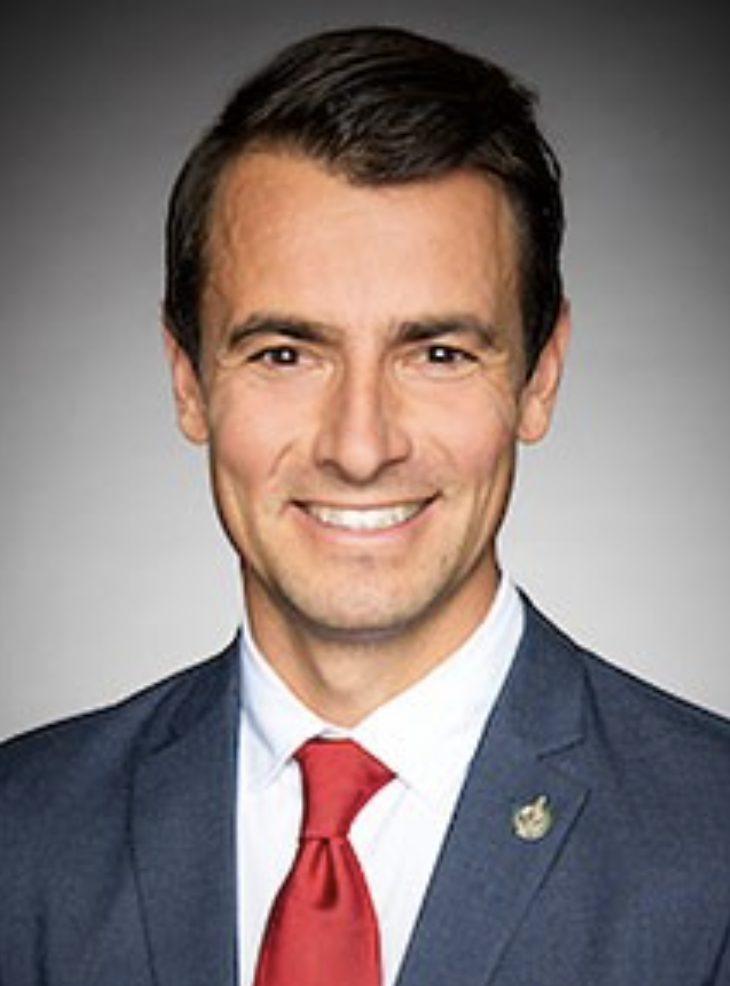
Canada’s Secretary of State for Sport Adam van Koeverden
Mr. van Koeverden previously served as Parliamentary Secretary to the Minister of Environment and Climate Change, Parliamentary Secretary to the Minister of Health, Parliamentary Secretary to the Minister of Sport, Parliamentary Secretary to the Minister of Diversity and Inclusion and Youth and Parliamentary Secretary to the Minister of Canadian Heritage (Sport).
Mr. van Koeverden is a dedicated community leader and one of Canada’s most accomplished athletes. He represented Canada at four Summer Olympic Games, winning a gold medal, two silver medals and a bronze medal. He served as Canada’s flag bearer at the 2004 Summer Olympic Games in Athens and the 2008 Summer Olympic Games in Beijing. He won the Northern Star Award as Canada’s top athlete in 2004.
Location: Hybrid — Harvard Kennedy School and Zoom
This program will be held in a hybrid format, with participation available in person at Harvard Kennedy School or virtually via Zoom.
In-person attendance requires a valid Harvard ID. All other participants are welcome to join virtually.
Applications are reviewed on a rolling basis. You will receive a confirmation once approved.
The Cultural Diplomacy Study Group is an initiative of the Cultural Diplomacy Project, an initiative under the auspices of Harvard Kennedy School’s Program on Diplomacy and Statecraft.
Founded by Ambassador Nicholas Burns, the Program on Diplomacy and Statecraft serves as a global hub for advancing the practice and study of diplomacy, negotiation, and statecraft. The Cultural Diplomacy Project examines the importance of music, art, and cultural heritage in modern diplomacy, convening practitioners, scholars, artists, policymakers, and leaders from around the world.